The Biggest Growth Bottleneck is Finding the Right People
For many knowledge companies, growth is limited by access to the right talent.
The World Economic Forum's Future of Jobs Report 2025 found that 63 percent of employers see skills shortages as a major barrier to business transformation. Across Europe, a 2026 Eurobarometer survey found that almost half of SMEs struggle to find people with the right skills. Among companies actively recruiting, that figure rises to 70 percent.
Whatever industry you work in, one thing is clear. Finding the right people has become one of the biggest barriers to growth.
Your Office Policy May Be Shrinking Your Talent Pool
Yet many companies continue to limit themselves to candidates who live within commuting distance of the office.
Leaders find that creative problem solving, fast decision making, strong collaboration and a culture where people feel connected require everyone to be in the physical office. For decades, the office has been the place where these things happened naturally, so who can blame them?
But there is a trade-off. If your company expects employees to be in the office most of the week, your talent pool is restricted to people who live within an hour's commute from the office, give or take.
What Happens When Geography Stops Being a Hiring Requirement
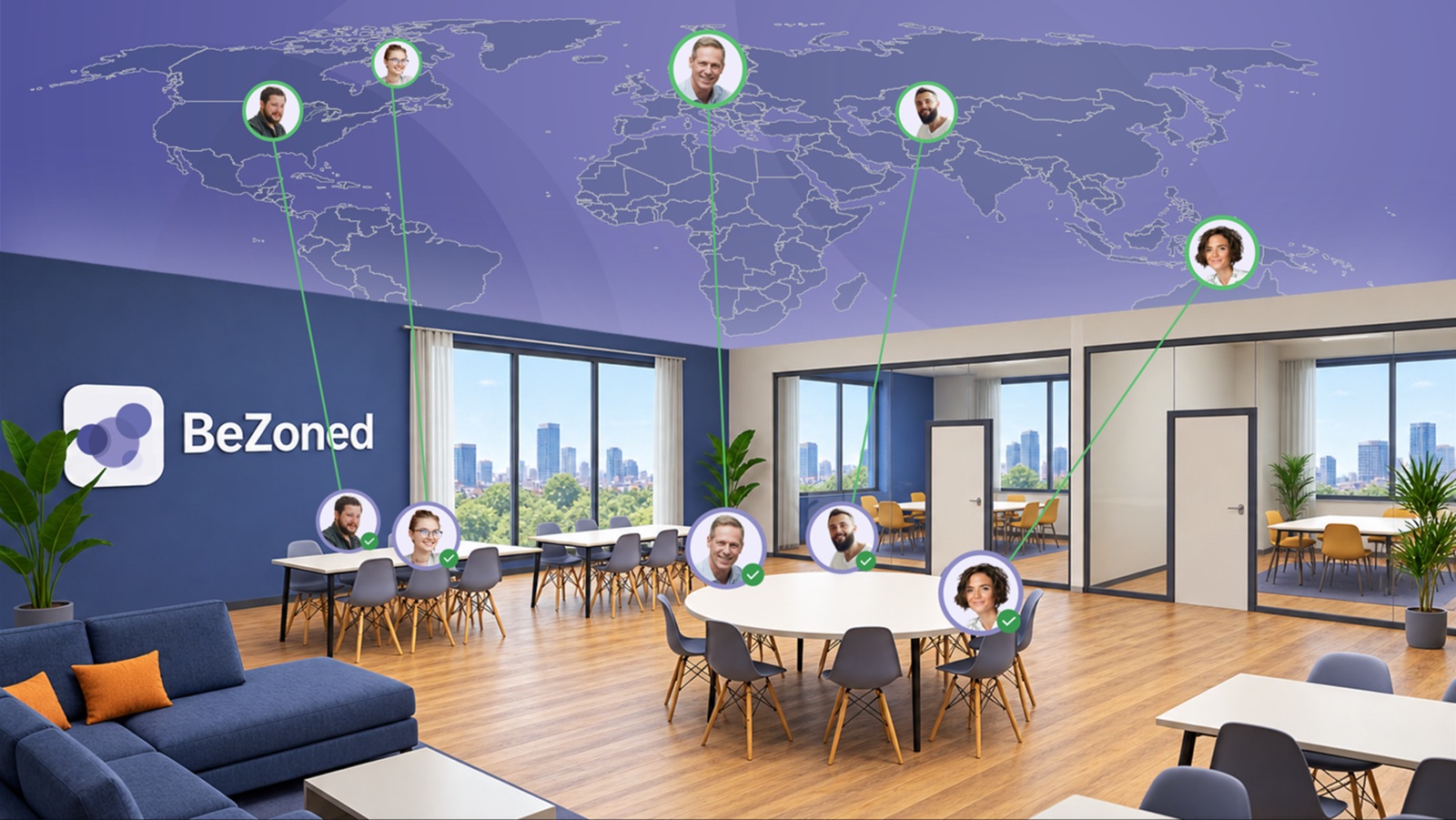
Open the role to remote employees and the equation changes dramatically. Instead of competing for talent in one limited area, you can recruit across an entire country or even multiple countries within the same time zone.
Your potential talent pool can be ten or twenty times larger, dramatically increasing the likelihood of finding the person who is the right fit.
We have been there ourselves. Looking for a lead developer in Denmark, we had zero candidates. We spoke with recruiters who would accept the assignment but at the same time expressed doubt that they could find a suitable candidate locally.
We then expanded our search beyond Denmark, and two weeks in we had 20 qualified applicants.
Finding the Talent Is the Easy Part
The challenge, of course, is that hiring someone remotely is only the beginning.
Long-term success depends on how easily colleagues collaborate, how knowledge is shared and how connected people feel to each other and to the company. These are the areas where many remote-first organizations struggle.
Too many meetings replace spontaneous conversations. Quick questions turn into meetings, managers lose visibility, and company culture becomes harder to sustain.
Remote Work Should Not Mean More Meetings
This is where BeZoned comes in.
BeZoned creates an online office inside Microsoft Teams where employees can see who is available, have quick spontaneous conversations, collaborate naturally throughout the day and stay connected without constantly scheduling meetings.
Managers and employees connect and align in real time, and employees experience the social connection and accessibility that are often missing in remote work.
Stop Choosing Between Great Talent and a Strong Office Culture
The result is that companies no longer have to choose between hiring the best people and maintaining a strong culture. They can have both.
And remote work becomes a competitive advantage instead of a compromise.
If talent is your biggest growth constraint, expanding your talent pool may be the single most important strategic decision you make. The next step is to make sure those talented people can work together as effectively online as they would in the same office.
That is exactly what BeZoned was built to do.
Author: Peter Soerensen
#BeZoned #OnlineOffice #FutureOfWork #FutureOfLeadership #RemoteWork #HybridWork #DigitalWorkspace #TeamCohesion #EmployeeEngagement