Preventing Isolation and Loneliness in Remote & Hybrid Work
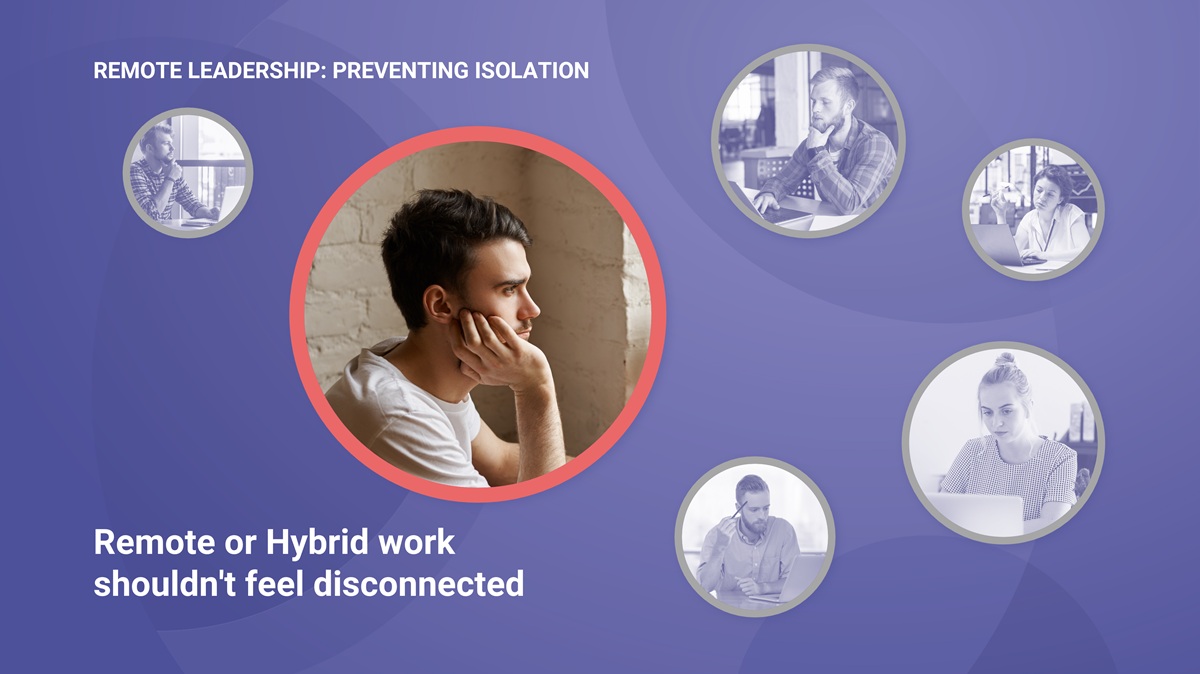
Remote and hybrid work have reshaped how we live and work, offering flexibility, autonomy, and a healthier balance between professional and personal life. Yet amid these benefits, I have often come across an underestimated challenge: remote employees feel isolated and lonely. Without the human contact and spontaneous interactions of a shared office, employees risk feeling detached from their colleagues and disconnected from the organization’s culture.
Why Isolation Is Harmful
Work isn’t only about performance and output. In my experience, casual conversations, shared laughter over coffee, and simply seeing familiar faces help people feel part of something larger. These interactions build the trust and emotional glue that hold teams together.
When employees feel connected, they are more likely to trust their colleagues, crating a foundation for frictionless collaboration and team cohesion.
Employees are less likely to consider leaving for another job. If a remote worker feels isolated from colleagues and culture, it doesn’t matter what company, he or she works for. And leaving for another job becomes easy.
When employees are connected and part of a culture, however, they are engaged, creative, and productive overall.
I have often seen remote work erode social bonds and sense of belonging. Without intentional efforts to maintain connection, feelings of loneliness can creep in - leading to lower motivation, reduced collaboration, and a risk of increased staff turnover.
What Leaders Can Do
1. Increase Visibility
Hybrid work can make it unclear who’s available or where they work from. By creating transparency so everyone knows who’s around - online, or in the office - teams can communicate more fluidly and include remote colleagues naturally in both professional discussions and social interaction.
2. Encourage Social Interaction
Informal connections are the foundation of trust. Leaders can actively create moments for people to connect by scheduling short, informal check-ins or “coffee chats”, host virtual lunches or team-building sessions, or provide spaces for spontaneous, non-task-related conversations.
3. Treat Connection as a Business Priority
Employee connection is a performance driver. Leaders who make belonging a strategic priority see stronger collaboration, resilience, and engagement across teams.
How BeZoned Helps
BeZoned is an online office that keeps teams connected, transparent, and engaged—no matter where they work. We have built the solution based on years of experience with remote work and management of remote teams.
A visual overview shows who’s working, whether they’re available, and what their location is. In other words, we make colleagues as visible as if everyone was in the same office.
An audio connection enables natural conversations across the desk without having to set up meetings or phone calls, securing that employees can have casual conversations, solve problems and align in real time.
A virtual lounge area encourages informal interactions, helping build and maintain the social fabric that fuels trust and sense of belonging.
Leaders can maintain a clear overview of their teams’ activity while team members themselves enjoy frictionless collaboration and the sense of togetherness and shared energy that we all know from the physical office.
Bottom Line
Isolation isn’t just a personal issue; it’s a critical issue to any business. By recognizing and addressing it, organizations strengthen trust, boost loyalty, and improve performance.
Ready to make remote work feel less remote?
If you’d like to see how BeZoned helps employees stay connected, engaged, and part of the team - wherever they work, visit BeZoned.
Want to read more about overcoming the challenges of remote and hybrid work, click here to see which other areas are important to be mindful of.
Author: Peter Soerensen
#BeZoned #OnlineOffice #FutureOfWork #FutureOfLeadership #RemoteWork #HybridWork #DigitalWorkspace #EmployeeEngagement #WorkplaceCulture