Overcome Communication Challenges in Remote & Hybrid Workplaces
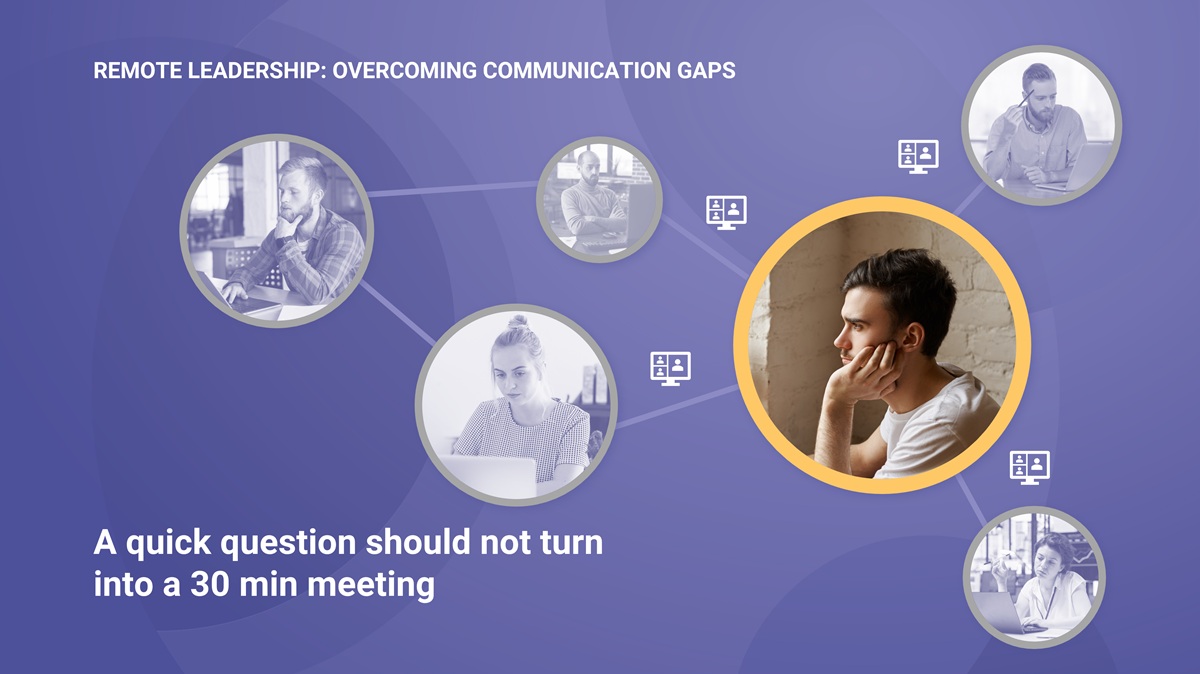
Experience of half a lifetime has taught me that communication is the lifeblood of any organization. It drives alignment, builds trust, and keeps businesses moving. But in remote and hybrid work environments, it’s also one of the hardest things to get right. Without hallway chats, desk-side questions, or casual feedback loops, communication can quickly become fragmented and less spontaneous. The result is that teams feel disconnected, collaboration slows, and decision-making takes longer.
Why Remote Communication Is Harder
As we all know, in the physical office, many problems are solved in real time through spontaneous conversations. A quick “Got a minute?” or bumping into a colleague in the hallway can unblock progress or clarify a misunderstanding instantaneously.
That is not what we see in remote and hybrid organizations. Here, employees often depend on scheduled meetings or asynchronous channels like email, Slack, or Teams. And they just take time! You send a message to a colleague. She may not be at her desk, and it’s a couple of hours before you get her response. When you receive it, you’re in a meeting yourself, and that way around, solving small problems can take hours or even days.
I’ve even experienced that some questions haven't been asked as it was just too cumbersome. Obviously, this leads to poor decision making.
Additionally, non-verbal cues are lost, increasing the risk of misinterpretation and friction. If you want the verbal cues, you need to schedule an online meeting and risk spending a 15 or 30-minute meeting solving a 30-second issue.
I’m aware that many employees default to written communication to avoid disrupting colleagues. That’s of course very considerate, and I appreciate that. But that restraint can make exchanges feel transactional rather than collaborative. And over time, it erodes the sense of teamwork and agility that great organizations rely on.
What Leaders Can Do
1. Establish Clear Communication Protocols
Define when to use synchronous versus asynchronous channels. Not every discussion needs a meeting, but some absolutely do. Create a shared understanding of which topics warrant real-time collaboration to keep momentum high.
2. Make Informal Communication Intentional
In remote settings, spontaneous interactions won’t just happen. You must design them into your team workflow. You need to encourage virtual coffee chats or “open office” hours to spark casual connections and social interaction.
And you should create dedicated channels for non-work conversations to nurture engagement, team spirit, and creativity.
3. Speed Up Feedback Loops
Empower people to use quick check-ins when clarity is needed. A five-minute chat can save hours of messaging, helping teams resolve issues before they snowball.
How BeZoned Helps
We have built BeZoned based on years of remote work experience.
The BeZoned Online Office bridges the communication gap between physical and virtual offices. It recreates the natural flow of conversation by showing who’s working, who’s available, and where they are “located” in the virtual workspace. If you need a quick answer, you can ask your team instantly. There’s no need for scheduling meetings or waiting for a response.
BeZoned also features a lounge area, where teams can engage in spontaneous social exchanges that spark creativity and strengthen bonds. By integrating seamlessly with familiar tools like Microsoft Teams, BeZoned brings structure and spontaneity together, reducing miscommunication and accelerating decision-making.
The Bottom Line
Great communication is built intentionally. Teams that blend structure with spontaneity communicate faster, collaborate better, and feel more connected.
With BeZoned, remote communication becomes as natural and fluid as when everyone is in the same room, helping leaders keep a clear pulse on their teams while employees stay engaged and aligned throughout the day.
If you would like to read more about overcoming the challenges of remote and hybrid work, click here to see which other areas are important to be mindful of.
Author: Peter Soerensen
#BeZoned #OnlineOffice #FutureOfWork #FutureOfLeadership #RemoteWork #HybridWork #DigitalWorkspace #TeamCommunication #Collaboration #EmployeeEngagement